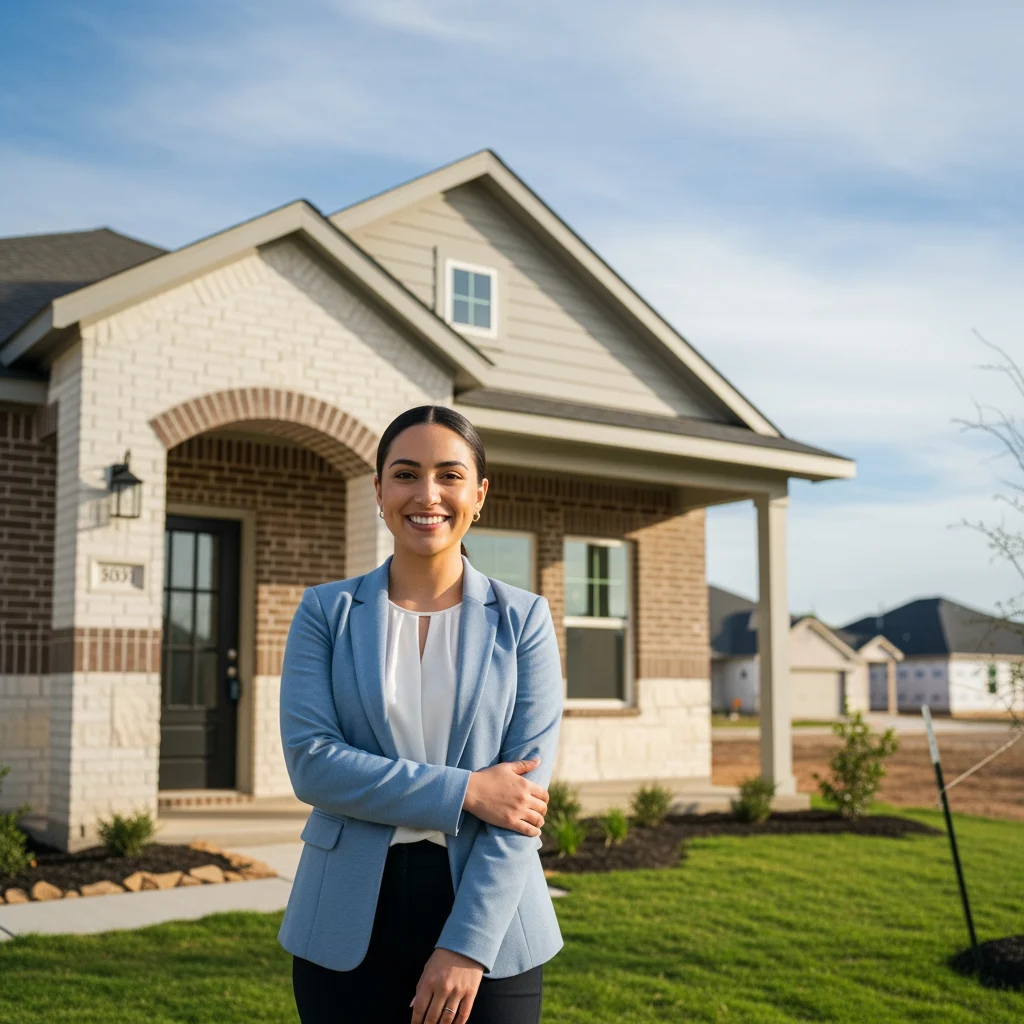
I love walking through a new neighborhood and imagining family routines unfolding—morning coffee on a covered porch, kids biking to a nearby park, and a short commute to Austin when needed. If you’re looking at single-family homes in Hutto, TX, you’re not alone. This area is growing fast, and many buyers are drawn by the small-town feel with big-city access. For context about regional growth and demographics, the U.S. Census Bureau offers reliable statewide and county-level data that helps explain why people are choosing towns like Hutto.
Why Hutto is catching people’s attention
Hutto sits northeast of Austin and has become a popular choice for people who want more space without sacrificing access to jobs, shops, and schools. Over the last decade the city has expanded with new neighborhoods, parks, and retail, all while keeping a community-focused atmosphere. For families and first-time buyers alike, that combination is a major draw.
Commuting is easier from many parts of this city than you might expect. Quick access to major routes gives residents options to work in Austin, Round Rock, or other parts of the metro area. In addition to commute convenience, the region has invested in public spaces and new schools, helping neighborhoods feel settled even as they grow.
What modern single-family homes offer here
Builders in the area have adapted to what buyers want today: flexible living spaces, energy savings, and outdoor areas that feel private. Typical single-family homes for new subdivisions include open floor plans, multiple bedrooms with en-suite or shared baths, and backyard spaces sized for play or gardening. Many plans now include a dedicated office or study, which is great if you or a family member work from home.
Design features buyers are asking for
Here are some common features I see in new home plans around this area:
- Open-concept kitchens connected to living and dining spaces so families can gather without feeling boxed in.
- Main-floor owner suites in some plans for multigenerational living or aging in place.
- Energy-efficient construction components like high-performance windows, upgraded insulation, and efficient HVAC systems to lower monthly costs.
- Flexible rooms that can be used as a home office, playroom, or guest room depending on your needs.
Trending homebuilding topics shaping the market
Two trends are shaping how homes are built and marketed in suburbs like Hutto. First, energy efficiency is moving from a niche selling point to a baseline expectation. Buyers are looking at long-term utility savings and environmental impact when making choices. Second, technology and healthy-home features—like smart thermostats, improved indoor air quality systems, and touchless fixtures—are becoming mainstream and often appear in new floor plans.
Why these trends matter to you
Energy-efficient designs help lower bills and make a home more comfortable year-round; smart features add convenience and can make resale easier later. If you’re planning to stay long term, these improvements pay off through lower maintenance and operating costs. If you’re buying as an investment, they help the home stand out in a busy resale market.
Neighborhoods and lifestyle options
The city is a patchwork of distinct neighborhoods: some are family-focused with parks and trails, others are smaller, tighter-knit communities near local schools or retail. One example of a quickly developing neighborhood near the city center offers a mix of single-family plans with outdoor amenities and community green space. Whether you want a quiet street or a more active HOA-led lifestyle with events and maintenance, you can find options here.
When I tour neighborhoods, I pay attention to walkability, nearby parks, and whether sidewalks and bike lanes are present. Those features matter to daily life and long-term value. You should also consider how close amenities like groceries, healthcare, and dining are to the neighborhood you’re considering.
Smart steps for buying a single-family home here
Buying in a growing area can feel fast-paced, but a clear plan helps. I recommend taking these practical steps to keep momentum without mistakes.
- Get preapproved so you know your budget and look serious to sellers. A preapproval is stronger than prequalification, and it streamlines the offer process.
- Prioritize needs versus wants. List your must-haves (number of bedrooms, commute limits, school needs) and separate them from nice-to-haves to avoid decision paralysis.
- Visit at different times of day to check traffic, noise, and neighborhood activity. A street that’s calm at noon can be busy during school pickup or rush hour.
- Ask the builder about warranties, inclusion lists for upgrades, and the timeline for completion if you’re buying a new build. Clear expectations prevent surprises down the line.
Financing, incentives, and timing
Mortgage rates and incentives often shape a buyer’s timing. Many lenders still offer competitive mortgage products for both first-time buyers and repeat buyers. It’s worth exploring local lender partnerships or builder-affiliated financing programs, but compare those offers against independent lenders to ensure you get the best terms.
Some new-home buyers qualify for down payment assistance or regional programs that reduce upfront costs. If you’re relying on such support, verify eligibility early in the process. Also, timing matters: inventory cycles and school enrollment windows can affect when neighborhoods are most appealing. I suggest mapping out preferred move-in dates alongside schools’ calendars if children are part of your plan.
Common buyer pain points and how builders solve them
Buyers often worry about construction timelines, unexpected costs, and quality control when purchasing a new home. Here’s how the right process can ease those concerns.
First, clear communication about what’s included versus what counts as an upgrade prevents budget surprises. Second, walkthroughs at predefined milestones let you catch issues early. Finally, builder warranties and post-closing support protect you after moving in, giving you remedies for defects discovered later. When a builder provides thorough documentation and a visible timeline, it makes the entire buying experience smoother.
Practical questions to ask a builder
Before you sign, I recommend asking these direct questions so you know what to expect:
- What’s included in the base price, and what items are considered upgrades?
- How long is the construction timeline, and what are the key milestone dates?
- What warranty coverage is provided, and how are warranty claims handled?
- Can I see similar completed homes or model homes in the neighborhood?
Schools, parks, and community life
Family buyers consistently rate schools and parks among their top priorities. This city has invested in new recreational spaces and school infrastructure as the population grows, which supports family life and makes daily routines easier. When evaluating a specific neighborhood, check the school boundaries and look for nearby green spaces that match your lifestyle preferences—whether you want hiking trails, playgrounds, or community pools.
How to evaluate resale and long-term value
Resale value depends on location, build quality, and neighborhood amenities. Homes near main arteries may be more convenient but can face traffic noise, so balance convenience against tranquility. Quality construction, energy-efficient systems, and a thoughtful layout increase desirability on resale markets. Also consider community plans—a development that includes long-term green space or planned retail often maintains stronger value trends.
Local services and lifestyle conveniences
This area benefits from a growing retail mix, local restaurants, and small businesses that give neighborhoods character. Healthcare services, grocery options, and routine conveniences are moving closer to new developments, reducing travel time for many residents. If you enjoy weekend farmers markets or local events, check neighborhood calendars for community gatherings that help newcomers connect.
Next steps if you’re ready to explore homes
Start with a shortlist of neighborhoods that match your must-haves and schedule visits. Bring a checklist to each showing so you compare sites fairly. If you’re looking at new builds, ask for the community map to understand future phases, amenities, and the variety of floor plans available.
When you find a plan you like, work with your lender to firm up financing and read the contract closely to confirm timelines, warranties, and any incentives. If you prefer an agent to negotiate on your behalf, choose one experienced with new construction communities because their insights into builder processes can be valuable.
Finally, remember that buying a home is as much about lifestyle as it is about square footage. Prioritize the path that best supports your daily life and future plans, whether that’s proximity to schools, commute time, or outdoor living space.
Conclusion and how to get started
If the idea of more space, tight-knit neighborhoods, and easy access to Austin appeals to you, exploring single-family homes in Hutto, TX, is a smart next move. I’ve walked many model homes and talked with builders and buyers; the process is far more manageable with clear priorities and the right questions. To see available plans, community features, and move-in timelines, reach out directly to learn which floor plans match your needs and budget.
For personalized guidance and to view current neighborhoods and floor plans, contact Empire Homes.